
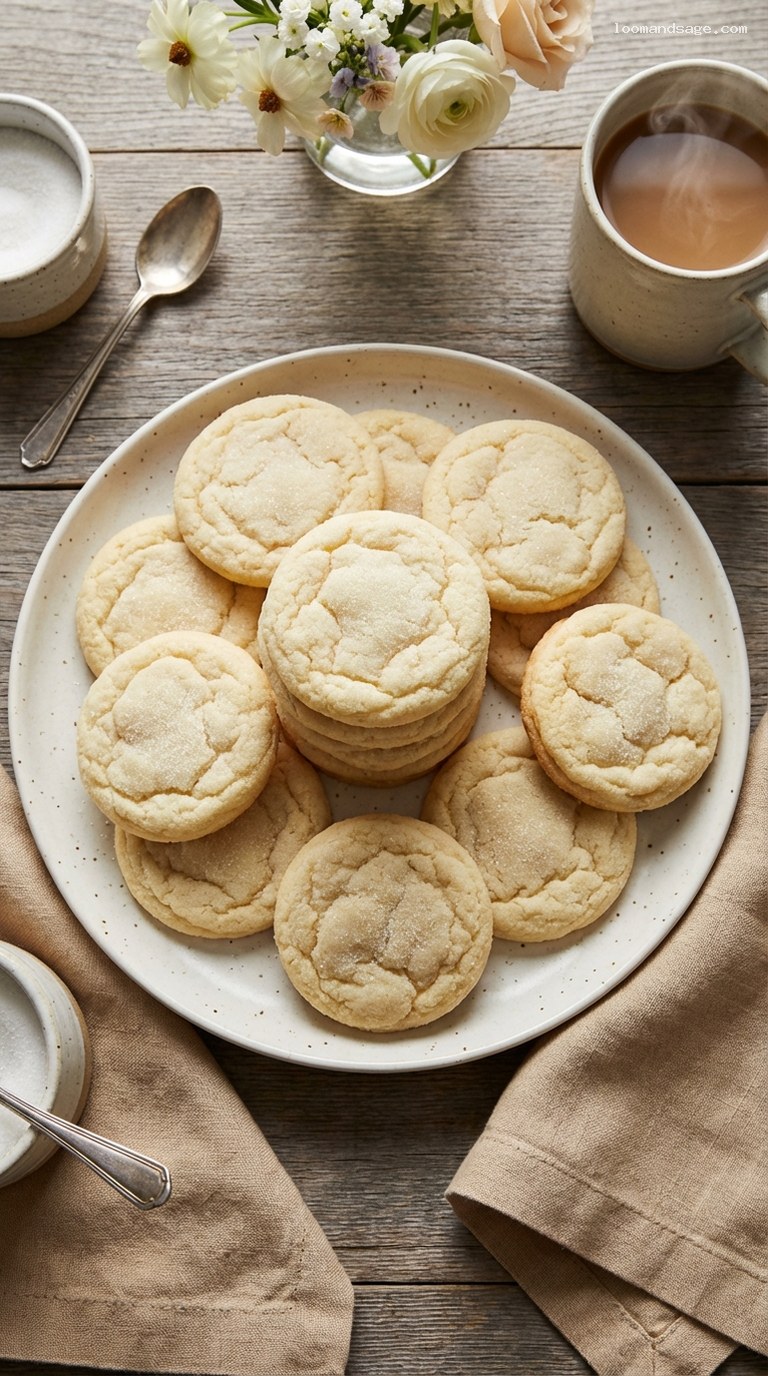
Quick Recipe Version (TL;DR)
Quick Ingredients
- 1/2 cup (113 g) unsalted butter, softened
- 1/2 cup (120 ml) neutral oil (canola or vegetable)
- 1/2 cup (100 g) granulated sugar
- 1/2 cup (60 g) powdered sugar
- 1 large egg, room temperature
- 1 1/2 tsp pure vanilla extract
- 2 1/4 cups (270 g) all-purpose flour
- 1/2 tsp baking soda
- 1/2 tsp cream of tartar
- 1/2 tsp fine sea salt or kosher salt
- Extra granulated sugar, for sprinkling (optional)
Do This
- 1. Preheat oven to 350°F (175°C). Line baking sheets with parchment paper.
- 2. Cream butter, granulated sugar, and powdered sugar until light and fluffy. Mix in oil.
- 3. Beat in egg and vanilla until smooth.
- 4. In a separate bowl, whisk flour, baking soda, cream of tartar, and salt. Add to wet ingredients and mix just until combined.
- 5. Scoop rounded tablespoons of dough onto trays, spacing about 2 inches apart. Lightly flatten tops; sprinkle with sugar if desired.
- 6. Bake 9–11 minutes until edges are just set and barely golden; centers should look pale and soft.
- 7. Cool on the pan 5 minutes, then transfer to a rack to cool completely.
Why You’ll Love This Recipe
- Classic Amish-style sugar cookies with soft, tender centers and delicately crisp edges.
- Drop-cookie method means no rolling, no cutting, and no fuss.
- Uses simple pantry ingredients you probably already have.
- Mild, buttery flavor that pairs perfectly with coffee, tea, or a cold glass of milk.
Grocery List
- Produce: 1 lemon or orange for optional zest (if you want a citrus variation)
- Dairy: Unsalted butter, 1 large egg
- Pantry: Granulated sugar, powdered (confectioners’) sugar, all-purpose flour, baking soda, cream of tartar, fine sea salt or kosher salt, neutral oil (canola or vegetable), pure vanilla extract
Full Ingredients
For the Amish Sugar Cookies
- 1/2 cup (113 g) unsalted butter, softened to room temperature
- 1/2 cup (120 ml) neutral oil (such as canola or vegetable oil)
- 1/2 cup (100 g) granulated sugar
- 1/2 cup (60 g) powdered (confectioners’) sugar, sifted if lumpy
- 1 large egg, at room temperature
- 1 1/2 teaspoons pure vanilla extract
- 2 1/4 cups (270 g) all-purpose flour, spooned and leveled
- 1/2 teaspoon baking soda
- 1/2 teaspoon cream of tartar
- 1/2 teaspoon fine sea salt or kosher salt
Optional Toppings & Flavor Twists
- 2–3 tablespoons granulated sugar, for sprinkling on unbaked cookies
- 1–2 tablespoons coarse sanding sugar, for a more sparkly, crunchy top
- 1 teaspoon finely grated lemon or orange zest, mixed into the dough for a citrus note (optional)
Step-by-Step Instructions
Step 1: Preheat the oven and prepare your pans
Set your oven to 350°F (175°C) so it has time to fully preheat. Line 2 large baking sheets with parchment paper. Parchment helps the cookies bake evenly and keeps their bottoms from browning too much, which is important for that classic pale Amish sugar cookie look.
If you do not have parchment, lightly grease the baking sheets with a thin layer of butter or nonstick spray and wipe away any excess with a paper towel.
Step 2: Cream the butter and sugars
In a large mixing bowl, add the softened butter, granulated sugar, and powdered sugar. Using a hand mixer or stand mixer fitted with the paddle attachment, beat on medium speed for 2–3 minutes, until the mixture looks light, creamy, and slightly increased in volume.
Scrape down the sides and bottom of the bowl with a spatula. Add the oil and continue beating for another 30–60 seconds until the mixture is smooth and well combined. It will look a bit more fluid than typical cookie dough at this stage; that is exactly what keeps these cookies tender.
Step 3: Add egg and vanilla
Crack the egg into the bowl and add the vanilla extract. Beat on medium speed until the egg is fully incorporated and the mixture is silky and homogeneous, about 30–45 seconds. Scrape down the bowl once more to make sure no streaks of egg or butter remain.
A smooth, well-emulsified mixture here helps the cookies bake with a fine, melt-in-your-mouth texture.
Step 4: Combine dry ingredients and mix the dough
In a separate medium bowl, whisk together the flour, baking soda, cream of tartar, and salt until everything is evenly distributed. This prevents clumps of leavening or salt in the finished cookies.
With the mixer on low speed, gradually add the dry ingredient mixture to the wet ingredients in 2–3 additions. Mix only until you no longer see streaks of flour. The dough will be soft and slightly sticky, more like a thick batter than a stiff cookie dough.
If you are using citrus zest, gently fold it in with a spatula at this point.
Step 5: Optional chill for thicker cookies
You can proceed to baking right away for classic, gently spread cookies. For slightly thicker, puffier cookies with a bit more chew, cover the bowl and chill the dough in the refrigerator for 20–30 minutes. Do not chill too long or the dough will become quite firm to scoop.
Chilling is optional, but it can help if your kitchen is very warm or if you prefer a taller, softer cookie.
Step 6: Portion and bake the cookies
Using a small cookie scoop (about 1 tablespoon capacity) or a rounded tablespoon, drop mounds of dough onto the prepared baking sheets, spacing them about 2 inches apart to allow for spreading. If desired, lightly flatten the tops with your fingertips for a more even, rounded cookie.
Sprinkle each mound with a pinch of granulated or sanding sugar if you like a gently crisp, sparkly top.
Bake one sheet at a time for 9–11 minutes, rotating the pan halfway through if your oven bakes unevenly. The cookies are done when the edges look just set and faintly golden, but the centers are still pale and soft. They should not brown deeply; this pale color is key to their delicate texture.
Step 7: Cool and enjoy
Allow the cookies to cool on the baking sheet for 5 minutes. They will be fragile right out of the oven and will finish setting as they cool. Then, use a spatula to gently transfer them to a wire rack to cool completely.
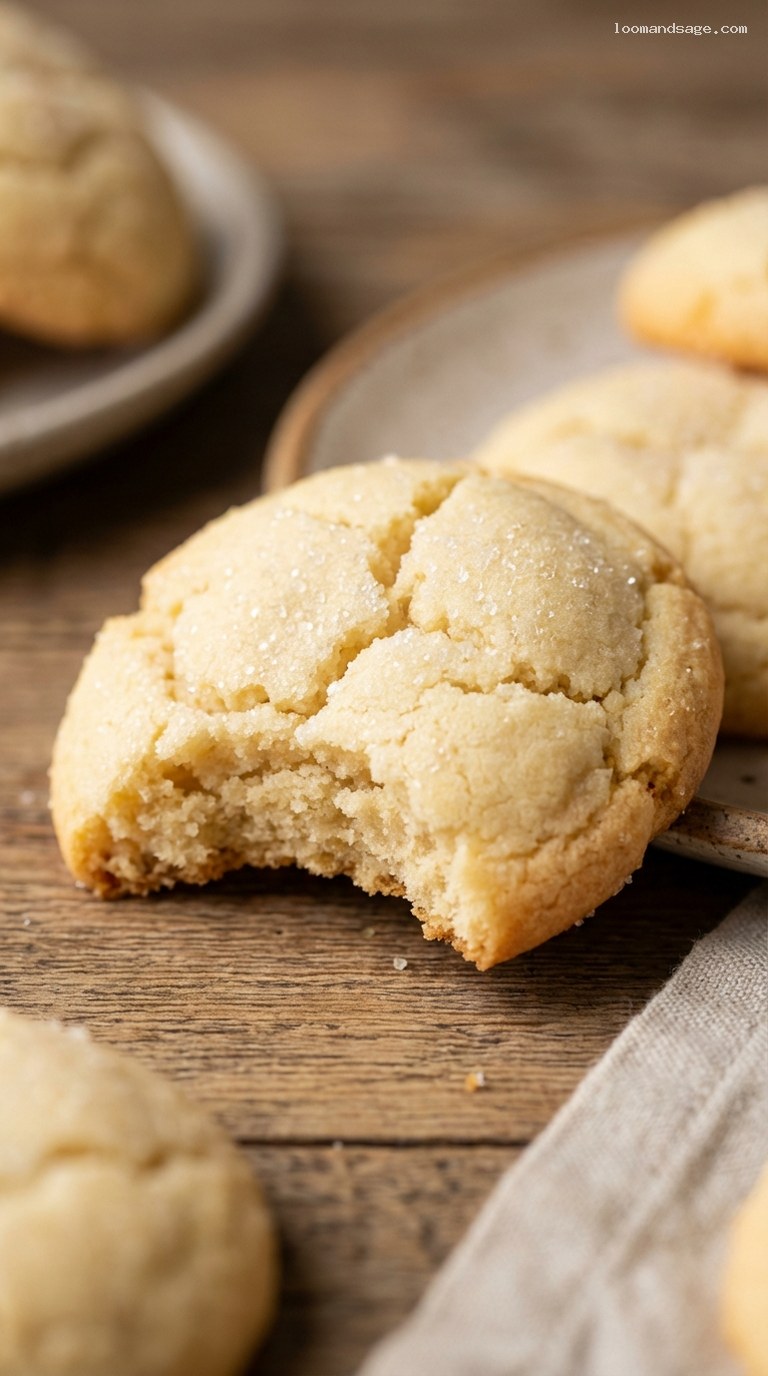
Once cool, the edges should be lightly crisp, while the centers stay soft, tender, and almost sandy in a melt-in-your-mouth way. Serve with hot coffee, tea, or a cold glass of milk.
Pro Tips
- Do not overbake. Pull the cookies from the oven while they still look pale and slightly underdone in the center. They firm up as they cool and this is what keeps them soft.
- Measure flour correctly. Spoon flour into your measuring cup and level it off with a knife. Too much flour will make the cookies dry and cakey instead of tender.
- Room-temperature ingredients matter. Soft butter and a room-temperature egg help the dough mix evenly, preventing dense or greasy spots.
- Use light-colored baking sheets. Darker pans brown the bottoms more quickly. For classic Amish sugar cookie paleness, light aluminum pans work best.
- Test-bake one or two cookies. If they spread more than you like, chill the remaining dough for 15 minutes. If they do not spread at all, gently press down the dough balls before baking.
Variations
- Cinnamon-sugar Amish cookies: Mix 2 tablespoons granulated sugar with 1 teaspoon ground cinnamon. Roll or sprinkle the tops of the dough balls with this mixture before baking for a cozy, snickerdoodle-like twist.
- Citrus vanilla version: Add 1–2 teaspoons finely grated lemon or orange zest to the dough along with the vanilla for a bright, fragrant cookie that still keeps its buttery Amish character.
- Glazed sugar cookies: Whisk 1 cup powdered sugar with 1–2 tablespoons milk and 1/2 teaspoon vanilla until smooth. Once the cookies are fully cooled, drizzle or lightly dip the tops for a thin, sweet glaze that sets with a faint sheen.
Storage & Make-Ahead
Once completely cooled, store the cookies in an airtight container at room temperature for up to 5–7 days. To keep the edges slightly crisp, use a container with a little air circulation; for softer cookies, seal tightly. Layer cookies between sheets of parchment if stacking.
To freeze baked cookies, place them in a single layer on a tray to firm up, then transfer to a freezer bag or airtight container and freeze for up to 2 months. Thaw at room temperature before serving.
To freeze the dough, scoop it into portions, freeze solid on a baking sheet, then store in a freezer bag. Bake from frozen at 350°F (175°C), adding 1–2 extra minutes to the baking time.
Nutrition (per serving)
Approximate values per cookie (1 of 30): about 120 calories; 6 g fat; 16 g carbohydrates; 8 g sugar; 1 g protein; 0.5 g fiber; 90 mg sodium. These numbers are estimates and will vary based on exact ingredients and cookie size.