Quick Recipe Version (TL;DR)
Quick Ingredients
- 1 1/2 pounds (680 g) wild or hearty greens (dandelion, amaranth, chicory, beet greens, kale, or a mix)
- 3 quarts (2.8 L) water
- 2 tablespoons kosher salt (for the cooking water), plus more to taste
- 1/4 cup (60 ml) extra-virgin olive oil
- 2–3 tablespoons freshly squeezed lemon juice, plus extra lemon wedges
- Freshly ground black pepper, to taste (optional)
Do This
- 1. Rinse greens in several changes of cold water; trim any tough stems.
- 2. Bring 3 quarts water and 2 tablespoons salt to a rolling boil in a large pot.
- 3. Add greens (stems first, then leaves); boil 8–12 minutes until tender but not mushy.
- 4. Drain well in a colander; gently press to remove excess water.
- 5. Transfer warm greens to a shallow serving bowl or platter.
- 6. Drizzle with olive oil and lemon juice; season with salt and pepper.
- 7. Toss gently, taste, adjust lemon and salt, and serve warm with extra lemon wedges.
Why You’ll Love This Recipe
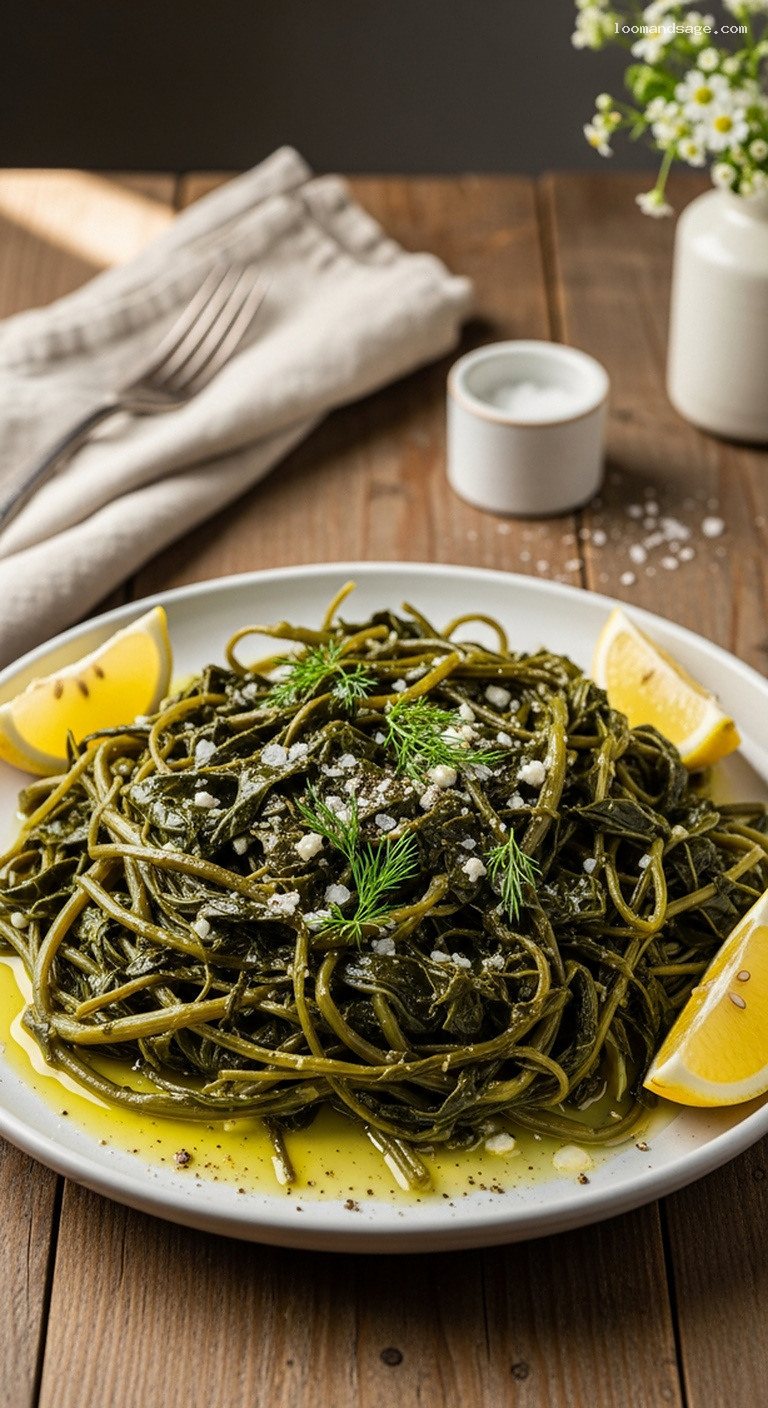
- Classic Greek simplicity: just greens, good olive oil, lemon, and salt, yet incredibly flavorful.
- Healthy and light: naturally vegan, gluten-free, and packed with vitamins, minerals, and fiber.
- Flexible: use whatever hearty greens you can find, from dandelion to kale.
- Perfect side: pairs beautifully with grilled fish, roasted chicken, or simple beans and bread.
Grocery List
- Produce: 1 1/2 pounds wild or hearty greens (dandelion, amaranth, chicory, beet greens, or kale), 1 large lemon, 1 small garlic clove (optional), fresh herbs for garnish such as parsley or dill (optional)
- Dairy: Feta cheese for sprinkling on top (optional)
- Pantry: Extra-virgin olive oil, kosher or sea salt, freshly ground black pepper
Full Ingredients
For the Greens
- 1 1/2 pounds (680 g) wild or hearty greens, such as dandelion, amaranth, chicory, beet greens, Swiss chard, or kale (or a mix)
- 3 quarts (2.8 L) water, for boiling
- 2 tablespoons kosher salt, for the cooking water
For Serving
- 1/4 cup (60 ml) extra-virgin olive oil, plus more to taste
- 2–3 tablespoons freshly squeezed lemon juice (from about 1 large lemon), plus lemon wedges for the table
- 1/4 teaspoon fine sea salt or kosher salt, or to taste
- Freshly ground black pepper, to taste (optional but traditional)
Optional Flavor Boosts
- 1 small garlic clove, lightly crushed, to infuse the olive oil (discard before serving)
- 1–2 tablespoons crumbled feta cheese, for sprinkling over the greens
- 1 tablespoon chopped fresh dill or flat-leaf parsley, for garnish
Step-by-Step Instructions
Step 1: Wash and Trim the Greens Thoroughly
Start by cleaning the greens really well; wild and hearty greens often carry sand and dirt. Fill a large bowl or clean sink with cold water. Submerge the greens and swish them around with your hands, loosening any grit. Lift the greens out into a colander, then pour out the sandy water. Repeat this process 2–3 times, until the water stays clear and there is no grit at the bottom.
Trim away any very tough or woody stems. For tender greens, you can leave the stems attached or just trim the dry ends. For thicker greens like kale or chard, strip the leaves from the thickest part of the stems or chop stems into 1–inch (2.5 cm) pieces so they cook evenly. Leave the leaves in large pieces; they will shrink as they cook.
Step 2: Bring the Cooking Water to a Boil
Place a large pot (at least 5 quarts / 4.7 L) on the stove and add 3 quarts (2.8 L) of water. Add 2 tablespoons of kosher salt. This may sound like a lot, but it seasons the greens gently and helps tame bitterness, just like salting pasta water. Bring the water to a strong rolling boil over high heat.
While the water is heating, keep the cleaned greens nearby in a colander or large bowl so you can add them quickly once the water boils.
Step 3: Boil the Greens Until Tender
Once the water is boiling rapidly, add the greens in batches if needed so you do not overcrowd the pot. If you have separated stems and leaves, add the stems first and boil them for 2–3 minutes before adding the leaves, which cook faster. Use a long spoon or tongs to press the greens down so they are fully submerged.
Boil the greens, uncovered, for 8–12 minutes, depending on the type and age of the greens. Young, tender greens may be done closer to 8 minutes; older or more fibrous greens (like mature dandelion or kale) may need up to 12 minutes. Stir occasionally so they cook evenly.
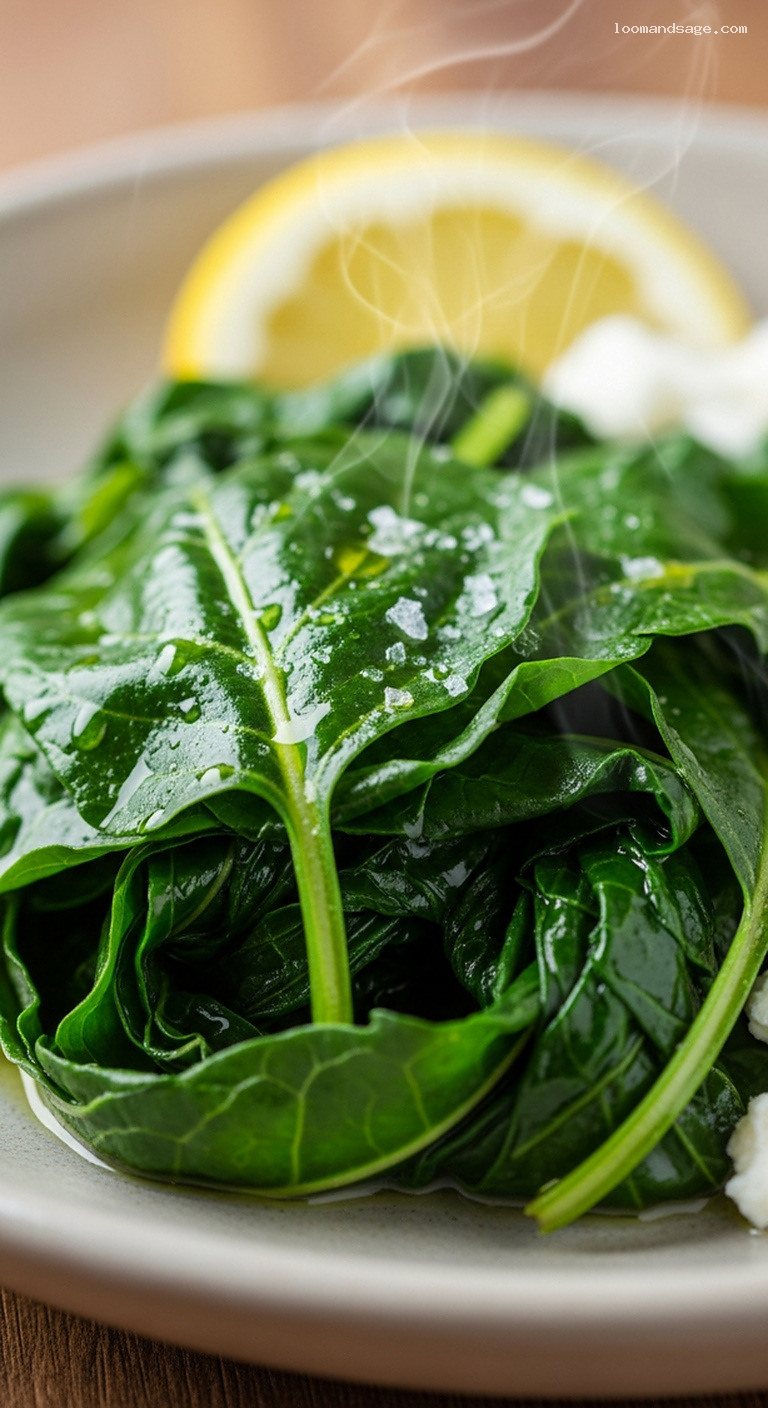
To check for doneness, fish out a small piece, let it cool briefly, and taste: it should be soft and silky, with no tough, squeaky bite, but not falling apart or mushy.
Step 4: Drain Well and Remove Excess Water
When the greens are tender, pour them into a large colander set in the sink. Let them drain for at least 2–3 minutes so excess water runs off. Gently press the greens against the sides of the colander with the back of a spoon or a spatula to squeeze out more water, but do not mash them into a paste. Removing extra water is important so the olive oil and lemon can cling to the leaves instead of being diluted.
If you like, you can roughly gather the drained greens into a loose bundle and give them a light squeeze with clean hands or tongs. Transfer the drained greens to a cutting board and, if the pieces are very long, give them a quick chop into bite-sized lengths. Work quickly so they stay pleasantly warm.
Step 5: Dress the Warm Greens with Olive Oil and Lemon
Transfer the warm, drained greens to a shallow serving bowl or platter. If you are infusing the olive oil with garlic, gently warm the 1/4 cup (60 ml) olive oil in a small pan over low heat with the lightly crushed garlic clove for 2–3 minutes, just until fragrant; do not let the garlic brown. Remove and discard the garlic clove.
Drizzle the olive oil evenly over the greens. Squeeze 2–3 tablespoons of fresh lemon juice over the top. Sprinkle with about 1/4 teaspoon of salt and a few twists of black pepper, if using. Using tongs or two forks, toss the greens gently so every leaf is lightly coated with the olive oil and lemon.
Step 6: Taste, Adjust Seasoning, and Serve
Taste a bite of the dressed greens. Adjust with more lemon juice for brightness, more olive oil for richness, and more salt or pepper as needed. If you are using crumbled feta or fresh herbs, sprinkle them over the top now.
Serve the horta vrasta warm or at room temperature, with extra lemon wedges and a bottle of olive oil at the table so everyone can season their portion to taste. It is traditionally served as a side dish alongside grilled fish, roasted meats, or simple beans, but it also makes a lovely light lunch with crusty bread.
Pro Tips
- Change the water for very bitter greens: If your greens are extremely bitter (older dandelion, for example), you can boil them for 5 minutes, drain, then add fresh salted boiling water and continue boiling until tender. This gently mellows the bitterness.
- Do not skimp on salting the water: Salting the cooking water seasons the greens from within and makes a huge difference in flavor, much like pasta.
- Do not overcook: Aim for silky and tender, not mushy. Taste a piece at 8 minutes and continue cooking only as needed.
- Drain very well: Excess water will wash out the lemon and olive oil. A gentle squeeze after draining helps the dressing cling.
- Save the cooking liquid: The “pot liquor” from the greens is full of nutrients. Sip it as a light broth with a squeeze of lemon or use it as a base for soups and grains.
Variations
- Mixed greens horta: Combine several types of greens (such as dandelion, beet greens, and chard) for a more complex flavor and texture. Add sturdier greens first, then more tender ones.
- Garlicky and spicy: After boiling the greens, gently sauté a sliced garlic clove and a pinch of red pepper flakes in the olive oil, then drizzle the fragrant oil over the warm greens with lemon juice.
- With potatoes or beans: Toss the dressed greens with boiled potatoes or cooked white beans for a heartier side or simple main dish, keeping the same olive oil and lemon dressing.
Storage & Make-Ahead
Horta vrasta keeps well in the refrigerator for up to 3–4 days. Allow the greens to cool, then store them in an airtight container. For the best texture and flavor, you can store the boiled, drained greens separately and add olive oil and lemon just before serving. To reheat, warm the greens gently in a covered pan over low heat with a splash of water or a drizzle of olive oil until heated through, then dress with fresh lemon juice and seasoning. The dish does not freeze well, as the greens become too soft and watery once thawed.
Nutrition (per serving)
Approximate values per serving (1 of 4 side servings): about 140 calories; 14 g fat (2 g saturated); 5 g carbohydrates; 3 g fiber; 1 g sugars; 3 g protein; 350 mg sodium (will vary with exact amount of salt used and type of greens). These numbers are estimates and will vary based on your specific ingredients and portion sizes.